

Turn kitchen inspiration into a storage plan by identifying the routines you want to improve, measuring the spaces you actually have, and assigning each item a place before you buy an organizer. In 2026, the useful question is not whether a shelf looks like the photo; it is whether you can reach what you need without blocking prep space, the sink, or a cabinet door.
- A kitchen inspiration practical plan starts with daily tasks, measurements and a home for each item.
- Choose drawers for concealed, easy-to-reach storage; choose open storage only for items you use and put away regularly.
- Betterhouse is best for shoppers adding practical kitchen pieces after they have measured the space and identified a specific need.
- Test the layout with items you already own before buying organizers.
How do you turn kitchen inspiration into a storage plan?
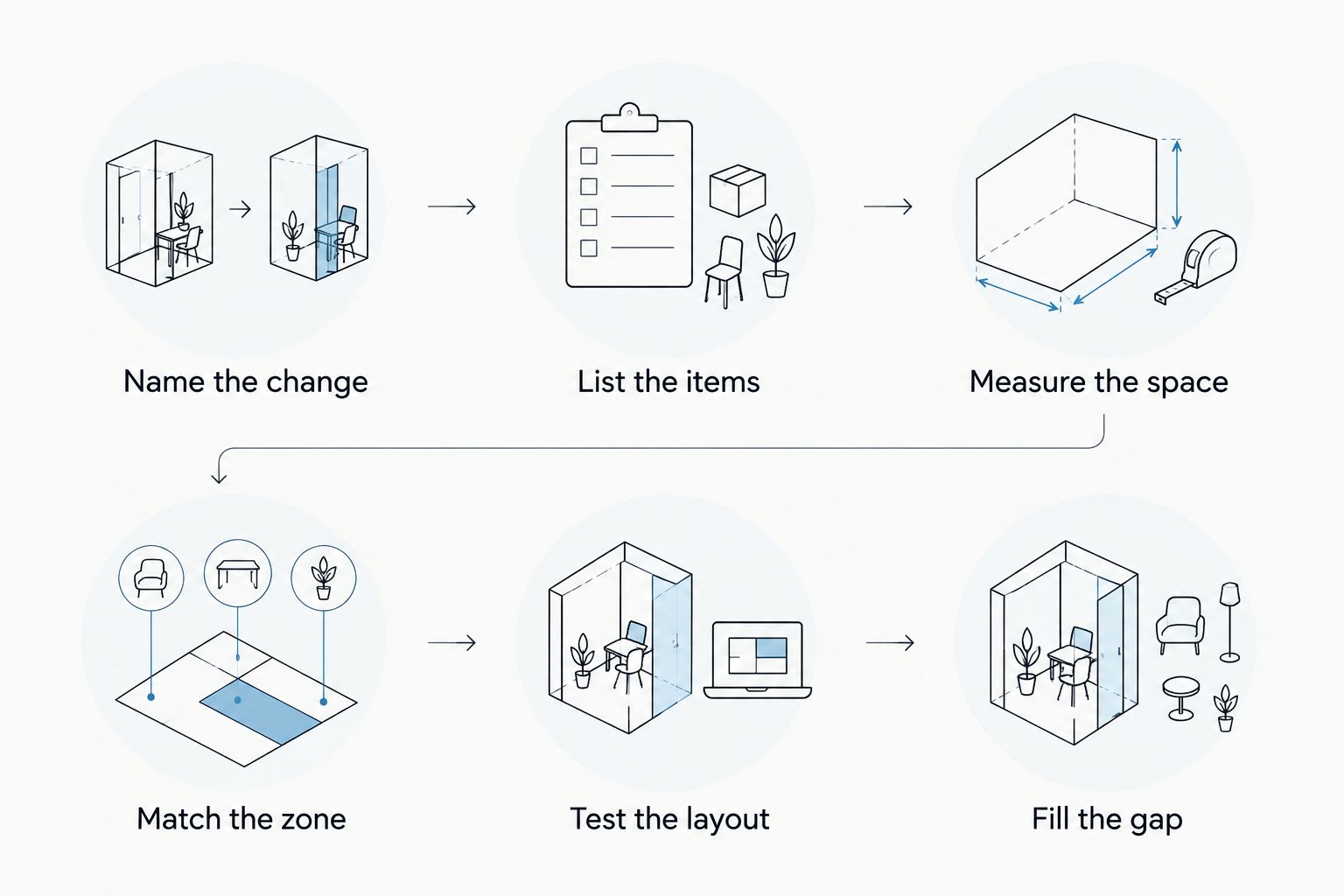
Work backward from what the inspiration photo shows. A clear counter might come from fewer items, more cabinet storage, or simply moving everyday tools closer to where you use them. Follow these steps before choosing baskets, racks, or shelves:
- Name the change you want. Write a practical goal, such as clearing the prep counter or keeping clean towels within reach. Do not start with the organizer in the photo.
- List what lives in the problem area. Separate items you use during a normal day from occasional equipment. For towels, decide where clean ones go and where damp ones can hang; the small-kitchen towel storage guide helps you make that distinction.
- Measure the destination. Record the usable width, depth and height in inches. For a cabinet, also check the opening and anything a basket or drawer must pass on the way in.
- Match each item to a zone. Keep items near the task they support: cooking tools near the cooking area, dishwashing supplies near the sink, and less-used pieces away from prime reach space.
- Try the arrangement before shopping. Move what you own into the proposed zones. Open doors, pull out drawers and work through a normal meal to find conflicts.
- Buy only for the gap that remains. Choose an organizer after you know its contents, location and required dimensions. Recheck the product dimensions against the measured space.
The result is a shopping list with a job attached to every item, not a list of objects copied from a photograph. In 2026, that distinction matters more than matching an inspiration image exactly: the photograph cannot show how your cabinet doors swing or where you put a wet dishcloth.
Why this matters
An inspiration photo shows a finished surface, not the storage decisions behind it. If you copy the visible baskets without counting what must fit inside them, the counter can look tidy while a cabinet becomes harder to use. Treat the image as a clue about function, not a product list.
That approach also protects useful work space. A rack can hold dishes but still take up the area where you prepare food; a shelf can display mugs but leave less room to move around the sink. Your 2026 plan should show both what an organizer stores and what space it occupies.
Which storage option fits the job?
Choose by access and footprint rather than appearance alone. These options solve different problems, and none works in every kitchen.
| Option | Best for | Advantage | Trade-off | Verdict |
|---|---|---|---|---|
| Drawer dividers | Small tools that already have a drawer | Separates items without adding counter clutter | Must fit the drawer and its contents | Use when the drawer has enough room |
| Stackable baskets | Grouping items on an accessible shelf | Keeps related items together | A lower basket becomes less convenient if you must move the one above it | Use for items you can reach easily |
| Open shelves | Items you use and put away regularly | Makes contents visible | Visible storage needs regular upkeep and suitable wall space | Use selectively |
| Countertop dish rack | Dishes drying beside the sink | Keeps a drying spot in one place | Takes up counter space even when empty | Use only if the footprint works |
Drawers are best for small, frequently used items when you have a suitable drawer; open storage is best when visibility helps more than an uncluttered surface. Before choosing a basket, measure both the shelf and the item that must fit inside it. Before choosing a rack, mark its footprint on the counter and see what work area remains.
A photo-style arrangement is not a reason to add open shelves to a kitchen that already has enough accessible cabinet space. Conversely, moving everything behind a door will not help if you repeatedly have to empty a cabinet to reach one pan. Choose the option that removes a specific interruption from your routine.
Why your kitchen storage plan varies
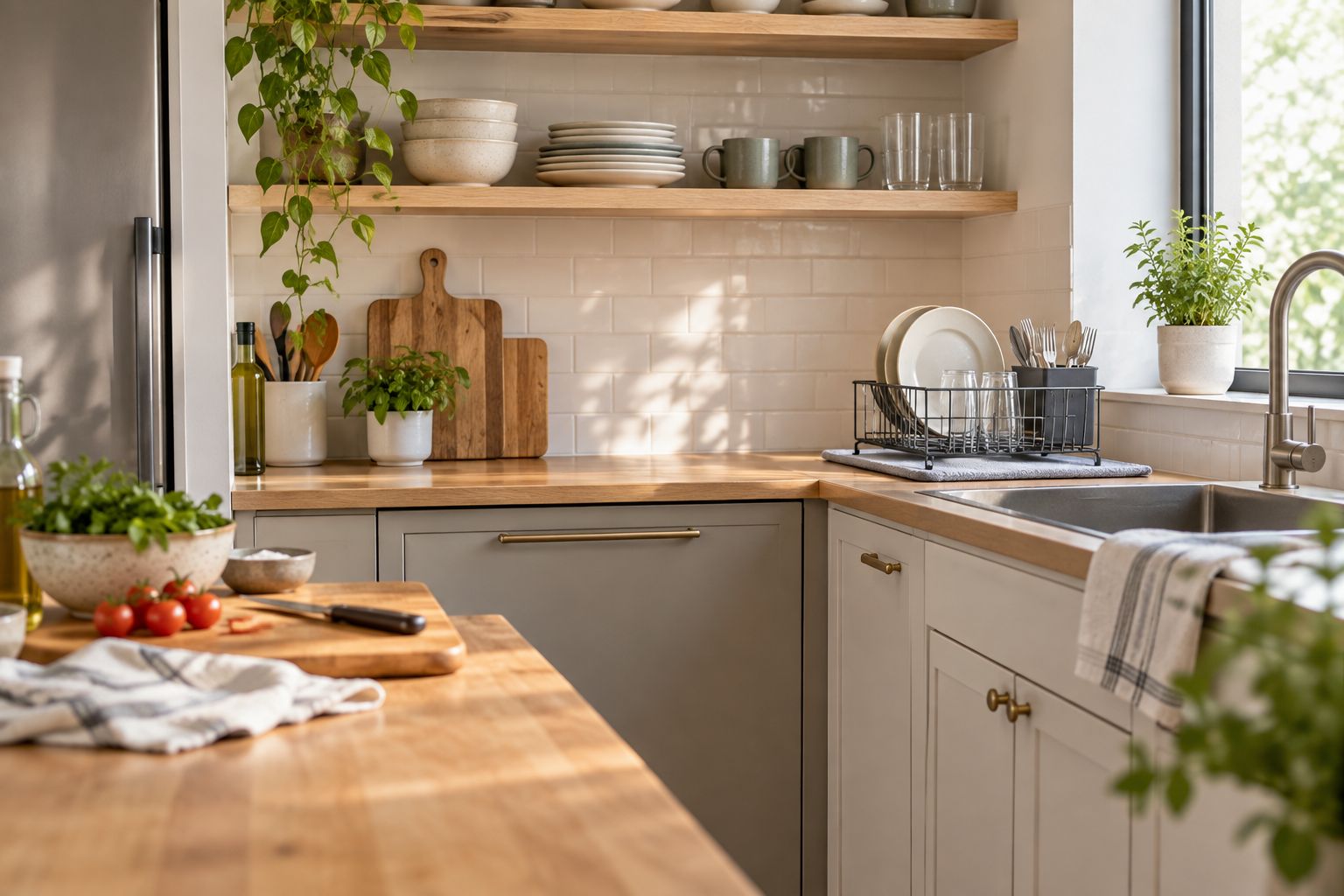
The same inspiration photo leads to different choices in different rooms. Check these factors before you settle on a layout:
- Cabinet openings: Interior dimensions alone do not tell you whether a basket can pass through the door.
- Drawer access: A divided drawer helps only when it is near the task and still opens fully.
- Counter space: A dish rack or utensil container uses space that might be needed for preparation.
- Sink location: Drying and dishwashing items need a practical place near where you wash up.
- Item frequency: Everyday pieces deserve easier access than equipment you rarely use.
- Household routines: If several people put dishes away, storage locations need to be easy for everyone to understand.
Write these constraints beside your measurements. A useful 2026 kitchen inspiration practical plan describes the room you have, not just the room you saved to a board.
How do you turn a kitchen photo into a shopping list?
Make a short list with four fields: the problem, the proposed location, the space available and the item you expect to store. If any field is blank, you are not ready to choose a product. A photo of matching containers, for example, tells you little until you know which foods or tools would go in them and where the containers would sit.
Sort the list into use what you own, move something, and buy something. Try the first two categories before the third. If shifting a frequently used utensil into an available drawer solves the problem, an additional counter container adds an object without improving the routine.
Keep fit checks on the list too. Note whether a cabinet door can close, whether a drawer clears the item inside it, and whether you can lift a basket from its shelf. Those checks turn a visual idea into an action you can verify in your own kitchen.
Where should kitchen towels fit in the plan?
Give clean towels a storage spot and used towels a place to dry. Those are separate jobs: a folded stack does not solve where to put a damp towel after wiping the counter. If the inspiration photo shows a towel beside the sink, decide whether that position interferes with washing dishes or opening nearby storage in your kitchen.
A Tacotarian woven dish cloth towel from Betterhouse is one example of a kitchen item to account for in that plan. Its listed dimensions are 20 x 28 inches, so check your intended hanging or folded-storage spot rather than assuming the photo's towel placement will fit. Its patterned design suits a visible spot if that is what you want; it does not replace a plan for the rest of your towels.
In 2026, Betterhouse makes the most sense as a place to find a specific everyday kitchen piece after you have identified where it belongs. The limitation is the same as with any purchase: a product cannot fix a storage location that is too small or inconvenient to use.
How do you check the plan before buying?
Run through a normal kitchen task with the proposed arrangement in place. Prepare food, wash up and put things away without treating the setup gently just because it is new. Notice what you have to move out of the way, what you cannot reach, and which item has no clear home afterward.
Then review the list with three questions: Does the item fit? Can you reach it while doing its job? Is it easier to put away than to leave out? If the answer to any question is no, change the location before adding storage. Measuring again is simpler than trying to make the wrong organizer work.
Keep a record of the dimensions you checked in inches, including the opening as well as the space behind it. Compare those measurements with the current product information before ordering. Betterhouse states a 30-day return policy, but checking fit first is still the better way to make a practical plan.
Can you copy a kitchen inspiration photo in a small kitchen?
Yes, but copy the purpose rather than every visible item. If the photo's open counter is the part you want, prioritize a clear work surface and move occasional items out of prime reach space. In a small kitchen, a storage piece earns its place by making a task easier without taking away the space needed to do it.
Should you buy organizers before decluttering?
No. Sort what you use and decide where it belongs before measuring for an organizer. Otherwise, you are choosing the shape of storage before you know its contents; in 2026, a kitchen inspiration practical plan starts with the items and the room, not the container.
FAQ
How do I turn kitchen inspiration into a practical plan?
Start with the routine you want to improve, then list the items involved, measure their proposed storage space and test the layout. Buy an organizer only when a specific storage gap remains.
What should I measure before buying kitchen storage?
Measure the usable width, depth and height of the space, plus any cabinet opening the organizer must pass through. Check clearance for doors, drawers and the items you need to remove.
Are open shelves better than cabinets for kitchen storage?
Open shelves are better when visible, regularly used items need an easy-to-reach home; cabinets are better when you want contents out of sight. Choose based on access, available space and how you use the items.
How do I plan storage in a small kitchen?
Protect your prep surface first, then place everyday items near the tasks they support. Test whether each basket, rack or container improves access without blocking a door, drawer or work area.
Where should kitchen towels go in a storage plan?
Store clean towels where you can reach them and give damp towels a separate place to dry. Check that the chosen spot does not obstruct the sink, a drawer or nearby work space.
Do I need to buy matching organizers to get the look in a photo?
No. First identify which part of the photo solves a problem in your kitchen, then test that arrangement with what you own. Matching containers do not correct a poor fit or an inconvenient location.
What makes a kitchen storage plan work in 2026?
A working 2026 kitchen storage plan gives each item a reachable home and uses measurements to check fit before purchase. The test is whether daily tasks and cleanup become simpler in your actual room.
One last thing
The most useful detail in an inspiration photo might be the empty space. Leave room to prepare food, set down a dish, and open a cabinet without moving an organizer first. If an item makes the kitchen look tidier but adds a step to every task, change the plan.